In this episode of YourForest, Matthew Kristoff reflects on his nearly decade-long journey of podcasting and shares key takeaways from the most memorable conversations that have shaped his understanding of forest management, sustainability, and the relationship between humans and nature. This final episode dives into the lessons learned from past episodes, touching on critical topics like decolonization, reconciliation, and how we view and interact with the natural world.
Key Takeaways:
Treaty Relationships and Reconciliation: Reflect on the fundamental role that treaties play in Canadian society, offering a foundation for reconciliation and partnership between Indigenous and non-Indigenous peoples
Contemplative Forestry: Explore the concept of “contemplative forestry,” which balances intrinsic and instrumental values in our relationship to forests, integrating Western scientific and Indigenous perspectives
Paradigm Shifts in Forestry: Learn how shifting perspectives on forest management and stewardship, informed by Indigenous wisdom and Western science, can lead to a more sustainable future
The Importance of Scientific Integrity: Understand the role of scientific integrity in environmental narratives, especially in situations where popular ideas, like the "wood wide web," are challenged by research
Sponsors
Takeaways with Timestamps:
[00:00:25] Matthew’s Final Reflection: Matthew shares his journey of podcasting, the lessons learned, and the realization of how far his professional and personal understanding of forestry has come.
[00:04:26] Acknowledgments: Matthew thanks all the people who have supported him throughout his podcasting career, including his sponsors and loyal listeners.
[00:05:21] Dr. Matthew Wildcat (Episode 34 – Canada, A Treaty Story)
Dr. Wildcat, an Indigenous governance expert, explores the history of treaties in Canada and emphasizes their importance as a foundational element for building a just relationship between Indigenous and non-Indigenous peoples.[00:23:28] Dr. Jason Brown (Episode 153 – Learn Contemplative Forestry)
Dr. Brown introduces the concept of "contemplative forestry," discussing the intersection of religion, ethics, and ecology, and the need for a balanced approach that merges intrinsic and instrumental values in forest management.[00:34:55] Gary Merkel (Episode 141 – The Paradigm Shift)
Gary Merkel, a professional forester and Indigenous leader, discusses his work in shifting the approach to forest management in British Columbia, emphasizing the importance of integrating diverse values and perspectives in forestry practices.[00:52:19] Connecting the Dots, From Paradigm Shifts to Scientific Integrity: Matthew takes a moment to discuss the shift from paradigm change (Gary Merkel) to the importance of scientific integrity in challenging established narratives (Justine Karst)
[00:57:19] Justine Karst (Episode 135 – Reconsidering the Wood Wide Web)
Justine Karst, a mycorrhizal ecologist, challenges the popular "wood wide web" narrative, advocating for scientific integrity and emphasizing the importance of questioning distorted ecological narratives to ensure accurate representation of forest ecosystems.[01:06:34] Dr. Jennifer Grenz (Episode 166 – Decolonizing Land Stewardship)
Dr. Grenz, an Indigenous scholar, explores the integration of Western science and Indigenous knowledge in land stewardship, emphasizing the need for a respectful relationship with the land and a holistic approach to ecological management.
ARTICLE
Why Treaty-Based Land Stewardship Matters for a Shared Future
For a long time, conversations about the environment focused on numbers, data, and technology. People discussed planting trees, reducing emissions, and managing resources.
However, something important was often left out: the relationship between people and the land itself. Across Canada, that relationship is changing as more people begin to understand that caring for the land also means honoring the promises made through treaties.
This approach, known as Treaty-Based Land Stewardship, invites everyone to see the land not as a possession but as a shared responsibility.
One of the strongest voices behind this idea is Dr. Jennifer Grenz, an Indigenous ecologist, researcher, and author from the Nlaka’pamux Nation (Litton First Nation). She leads the Indigenous Ecology Lab and works where Western science meets Indigenous knowledge.
Her research focuses on decolonizing how we care for land and teaches the values of respect, relationality, and reciprocity.
In her book Medicine Wheel for the Planet, she explains how science and Indigenous wisdom can work together to restore balance between people and nature. Her work shows that environmental care is as much about listening and understanding as it is about action.
In this article, we’ll learn what treaties truly mean today, why they’re still alive, and how they shape a fair and lasting relationship with the land. We’ll also explore how Indigenous teachings and science can come together to build a future grounded in shared care, honesty, and balance.
What Treaty-Based Land Stewardship Really Means in Canada
Treaties are the foundation of Canada. Many people think that they only give Indigenous people benefits like tax breaks or money from the government. That’s not what treaties are about.
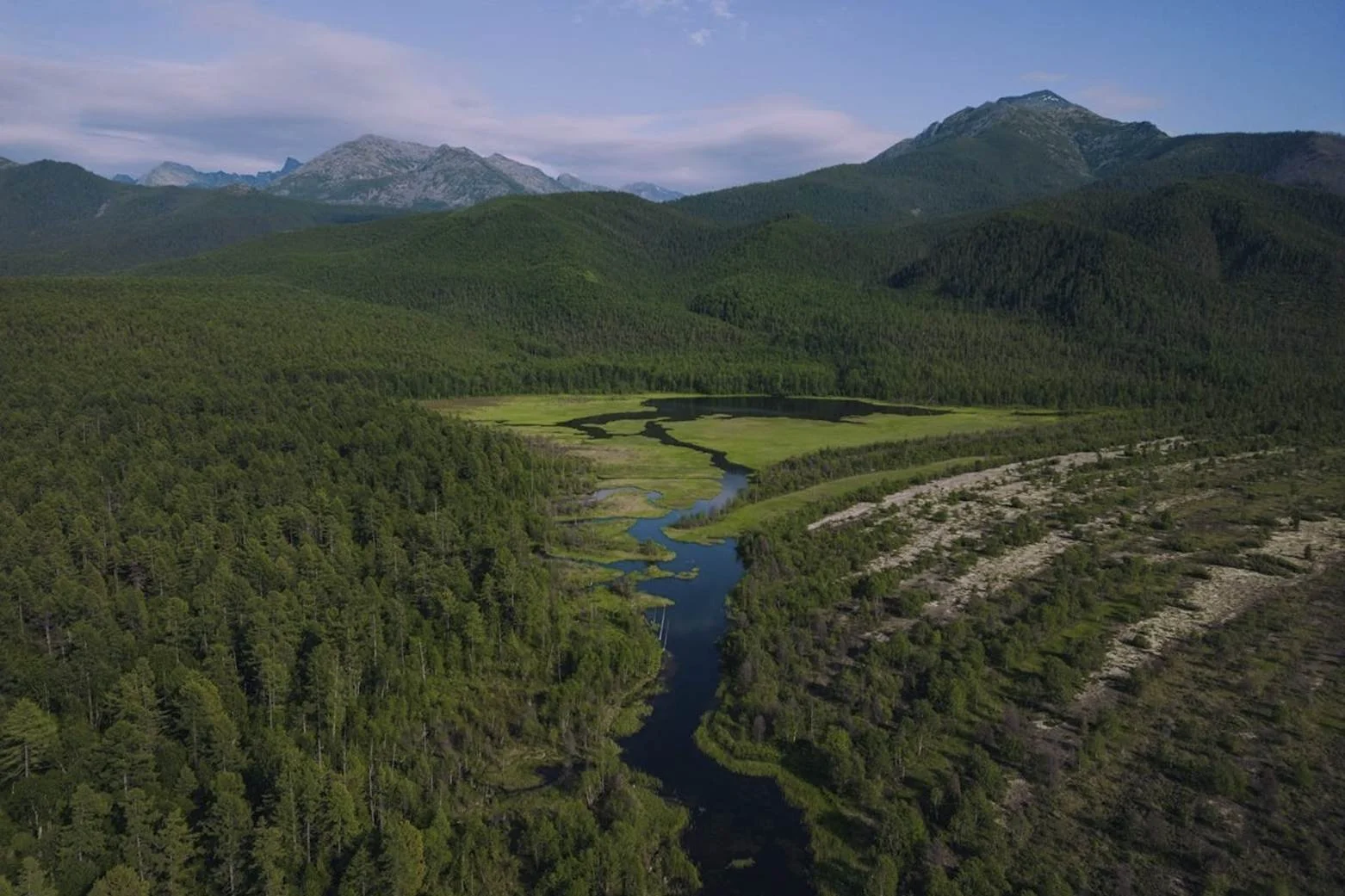
Photo by Dmitriy Ryndin on Pexels
What Treaties Actually Are
A treaty is a two-way promise. It allowed settlers to live on this land and build their communities. In return, Indigenous peoples expected respect, fairness, and a shared future.
These agreements were meant to create balance, not division. They’re not gifts or favors; they’re commitments between nations that agreed to live well together.
More Than History
For Indigenous peoples, treaties aren’t just old papers. They’re living agreements about how people share space and solve problems. They teach us that relationships matter more than ownership.
They’re flexible. Treaties are built to grow and adapt over time.
They’re mutual. Both sides were meant to benefit.
They’re ongoing. They don’t expire or come to an end with time.
Why They Still Matter
If we ignore treaties, Canada’s story becomes one of conquest and racism. That would mean Europeans claimed land just by arriving and planting flags, a belief known as the “doctrine of discovery.”
It’s unfair and rooted in the idea that white settlers were superior. Canada can tell a better story, one based on treaties that recognize shared responsibility and mutual respect.
Living as Treaty Partners
Being a treaty partner means asking hard questions. Are our decisions fair? Do they also help Indigenous communities? Decolonization doesn’t mean leaving. It means changing how we live together and honoring promises that still stand.
Reconciliation created an opportunity to discuss these issues. But talking isn’t enough. Real change comes when we act differently and start building a future that honors what was agreed long ago.
How Treaty-Based Land Stewardship Builds a Healthier Connection with Forests
Forests aren’t just resources to use or beautiful spaces to admire. For too long, our view has swung between two extremes, cutting trees for profit or protecting forests like fragile glass, as if humans don’t belong there. The truth lies in between.
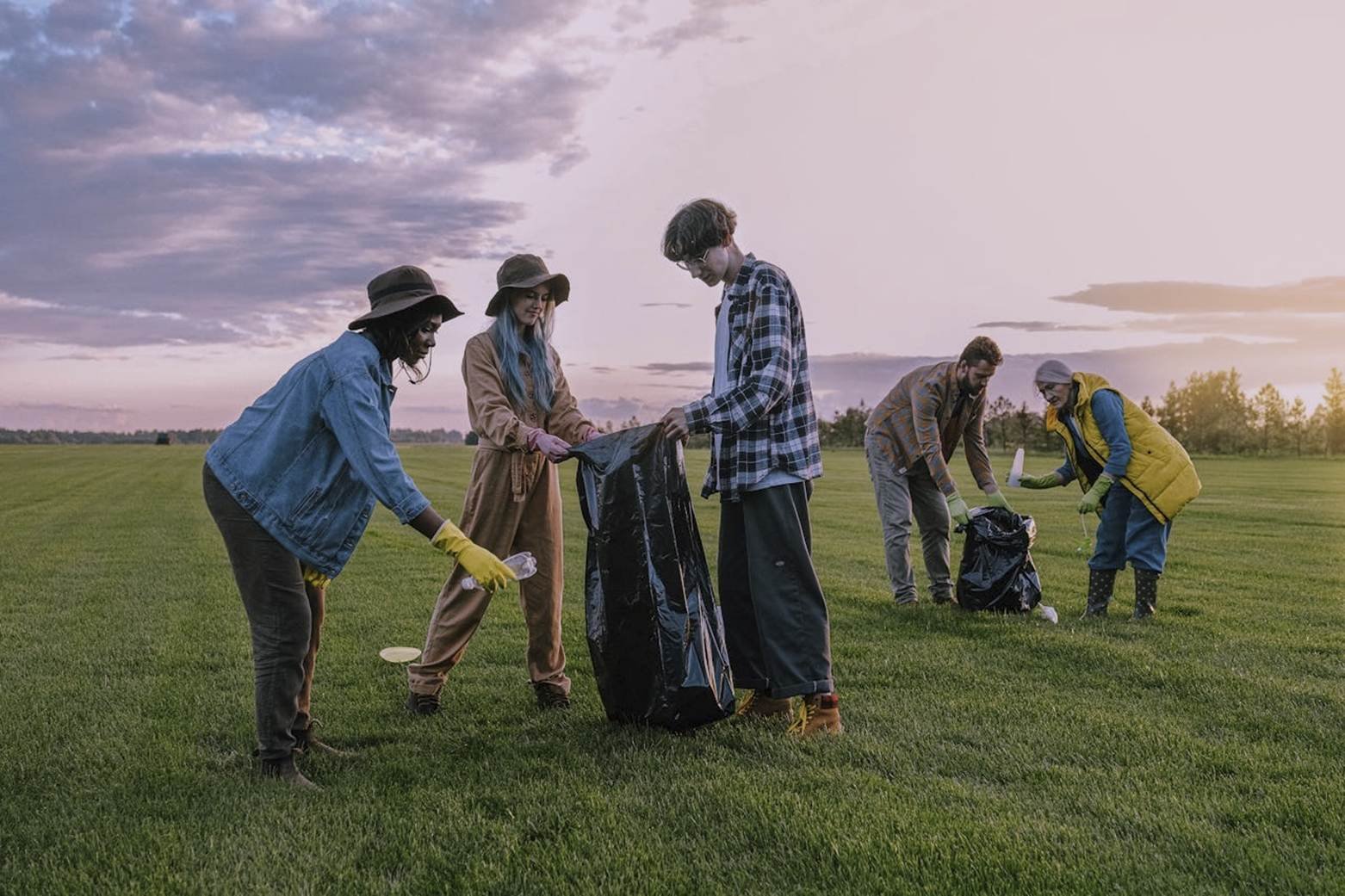
Photo by Anna Shvets on Pexels
Seeing Forests As Living Partners
A healthy connection starts with recognizing that we’re part of the forest, not separate from it. Trees, plants, and animals share this Planet with us.
Using nature isn’t wrong, but it should always be accompanied by gratitude and care. When we take, we should give back too.
This can mean:
Replanting and restoring damaged land
Protecting biodiversity
Respecting the natural rhythm of growth and renewal
Many Indigenous cultures already live by this idea of reciprocity and kinship. They see nature as family, not as a tool to control.
Beyond Use or Protection
Modern concepts like forest bathing remind us that nature has healing properties. But they often keep forests at a distance, something to visit, not something to belong to. Real connection means working with forests, not standing apart from them.
Contemplative forestry combines appreciation with participation. It’s about seeing the sacred in nature while still being an active caretaker.
Practicing Reciprocity
True reciprocity isn’t about copying someone else’s rituals. It’s about finding real, honest ways within our own lives and beliefs to give back.
That could mean restoring damaged land, supporting responsible forestry, reducing waste, or being mindful of what we consume. Every conscious act strengthens our bond with the earth.
Keep Asking the Right Questions
There’s no single answer for balance. What matters is staying curious and intentional:
How do we live well with forests?
How do we take it without harm?
Each thoughtful step, each small act of respect, brings us closer to living in harmony with the natural world.
How Individuals Drive Treaty-Based Land Stewardship in Forestry
Real change starts with people. You don’t have to work in forestry or science to make a difference. What matters is being curious, speaking up, and changing how you see your relationship with nature.
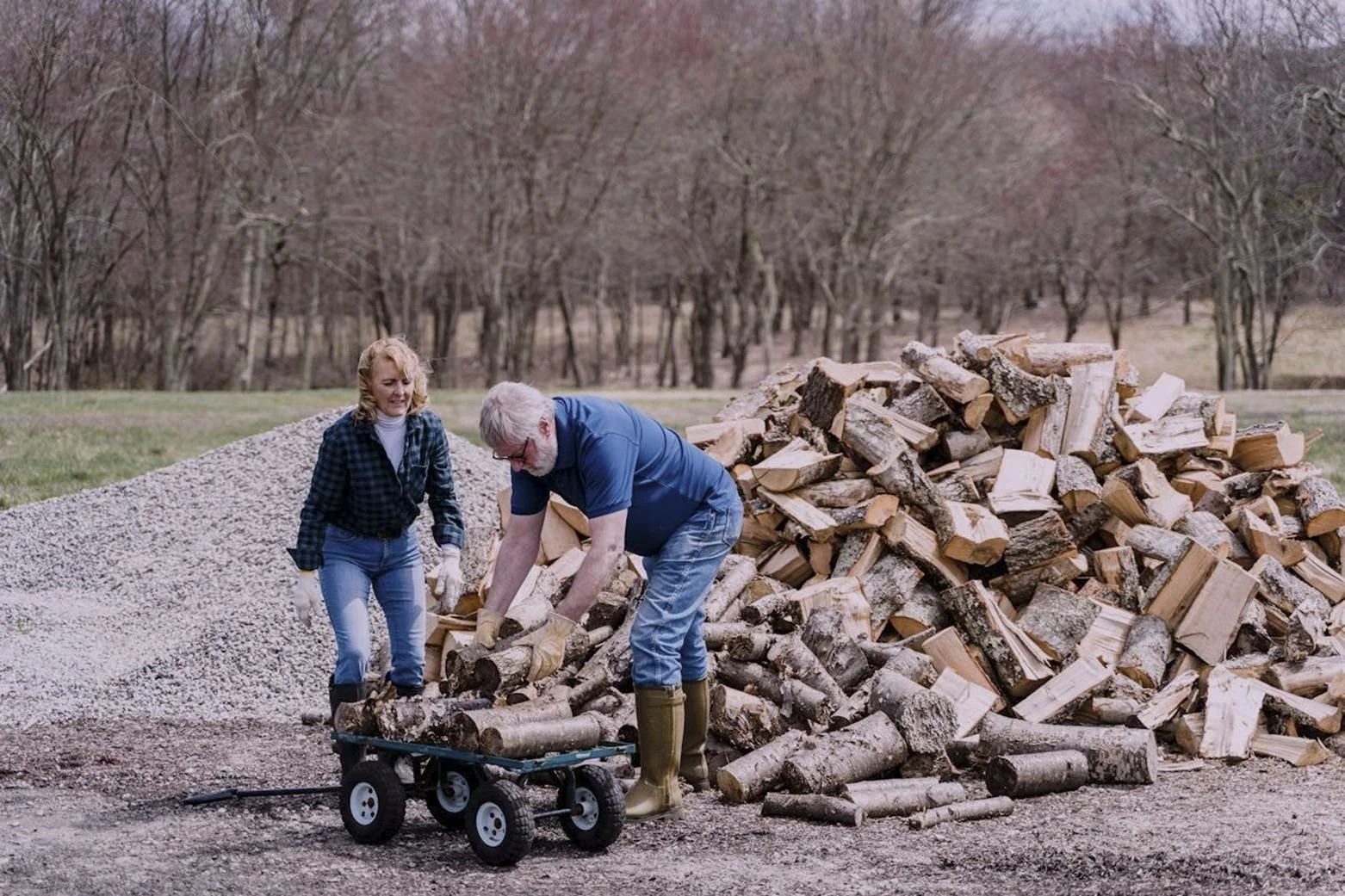
Photo by Greta Hoffman on Pexels
Learn and Stay Curious
The first step is simple: learn. Try to understand how forests function and why they are important. Learn how trees, soil, and water depend on one another. You don’t need a deep scientific study. Just stay curious.
Read short articles, watch videos, or explore how different countries care for their forests. When you make learning a habit, it naturally shapes how you think and act. The more you understand, the more connected you feel.
Speak Up and Get Involved
Once you understand the basics, share what you know. Use your voice.
Discuss with local leaders or representatives the importance of protecting forests.
Join community meetings or online groups that discuss land management.
Encourage your friends to care too.
Small actions count. A few people writing or speaking together can push real change. Governments listen when enough people care and show it.
Blend Wisdom with Science
Caring for forests isn’t only about numbers or data. It’s about paying attention, watching how the land behaves and learning from those who live closest to it. Indigenous and rural communities have been doing this for generations.
Science helps measure and explain things, but wisdom helps us live in balance. When both come together, real understanding grows.
The Real Shift Happens in the Mind
Change begins in how we think. It’s about seeing ourselves as part of nature, not separate from it. That shift doesn’t happen overnight. It takes time, reflection, and patience. But once it happens, every choice, from what we buy to how we live, starts to reflect respect for the land.
How Treaty-Based Land Stewardship Bridges Western Science and Indigenous Wisdom
Modern environmental thinking often separates logic from emotion. Western science relies on data and objectivity, whereas Indigenous knowledge emerges from lived experience and a deep connection. Real progress occurs when both ways of knowing work together, rather than apart.
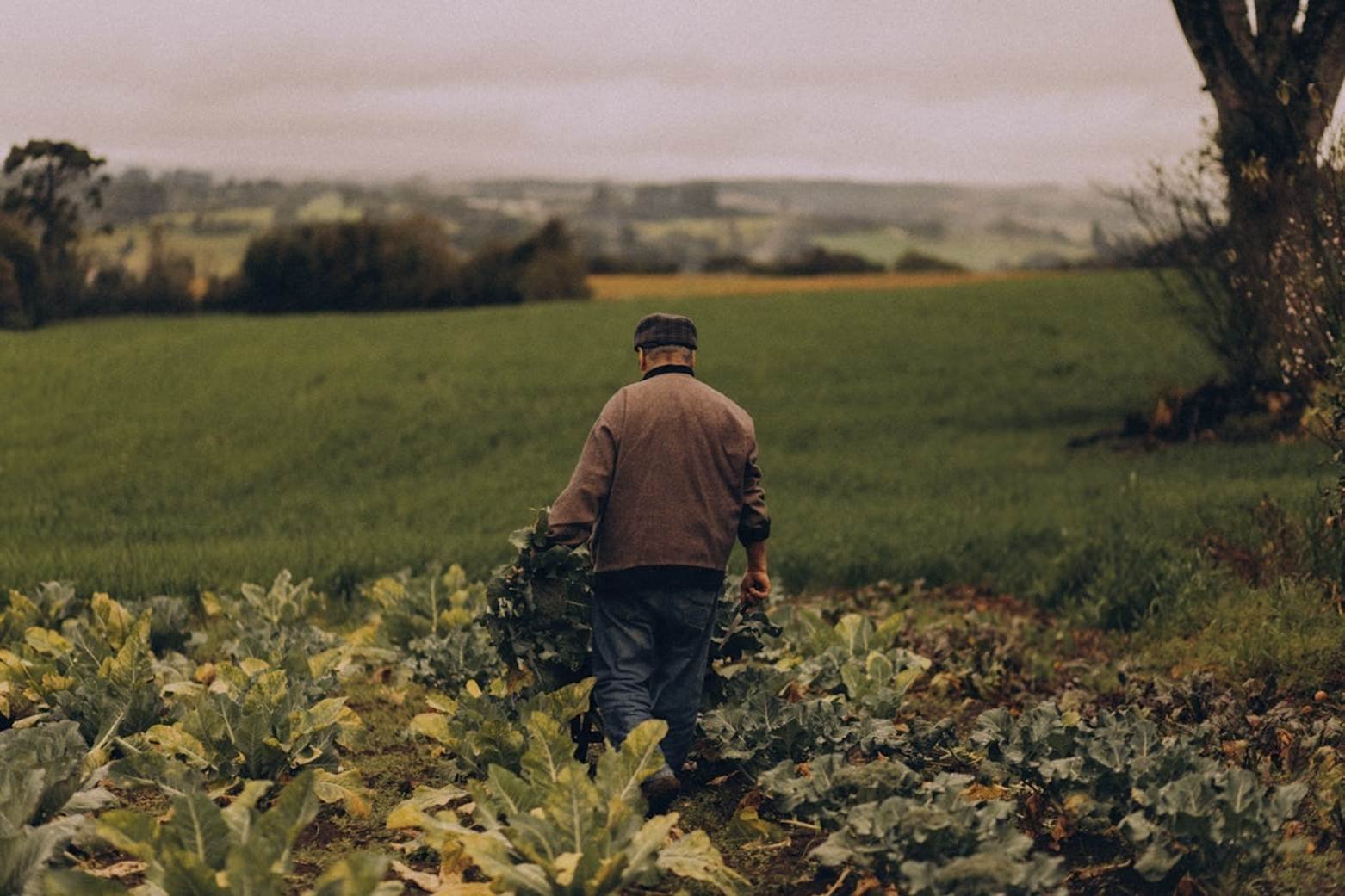
Photo by Bruna Fossile on Pexels
Seeing the Land as a Teacher
Science explains the world through facts and numbers, but the land teaches through observation and patience.
Watching how trees grow, rivers flow, and animals behave reveals lessons that no lab can provide. When we treat land as a living teacher instead of a research object, we start to truly understand it.
Rethinking Objectivity
Science often tries to keep emotion out, but caring helps us ask better questions. Feeling connected to what we study isn’t a weakness; it’s a sign of awareness.
True objectivity means being honest about why we care and what drives us. When researchers admit their love for the land, their work becomes more grounded and more real.
The Three Core Principles
Respect: Approach every place with humility. Treating land as sacred makes us listen instead of control. Respect invites us to act carefully and think before we take.
Relationality: Remember that everything connects. Trees, rivers, and people all depend on one another. When we see that link, our choices become wiser and kinder to the earth.
Reciprocity: Give back to what gives to you. Caring for forests or restoring rivers isn’t charity, it’s balance. Every act of giving helps the cycle stay alive.
A Balanced Path Forward
Blending science with Indigenous wisdom doesn’t weaken knowledge; it makes it whole. Data helps explain, but stories and traditions teach us how to live with meaning.
When we blend logic with reverence, we cultivate a deeper, more respectful approach to caring for the world around us.
Conclusion
Treaty-Based Land Stewardship isn’t just an idea; it’s a way of living that keeps promises made long ago. It reminds us that caring for the land means caring for each other, too.
When we see forests, rivers, and plains as shared spaces rather than possessions, we act with more care and fairness.
This approach blends Indigenous wisdom and Western science in a way that respects both. Science helps us measure and plan, while Indigenous knowledge teaches us to listen and live in balance. Together, they guide us toward choices that protect nature and honor relationships.
Real change starts small. It’s in the way we learn, speak, and act. Every decision, from how we use resources to how we restore what’s damaged and how we include Indigenous voices, either strengthens or weakens those original treaty promises.
If we want a better future, we have to live as true treaty partners. That means respecting, reciprocating, and being responsible in everything we do.
Treaty-Based Land Stewardship demonstrates that progress doesn’t mean taking more; it means giving back, working together, and keeping our shared word to the land and to one another.
FAQs
What does Treaty-Based Land Stewardship look like in daily life?
It’s about small, mindful choices. Recycling, supporting Indigenous-led projects, and respecting local ecosystems all reflect the values of the treaty in action.
How can schools incorporate Treaty-Based Land Stewardship into their learning?
Schools can teach the history of treaties alongside Indigenous ecological knowledge. Outdoor projects, tree planting, and land-based learning bring those lessons to life.
Why is community involvement important in Treaty-Based Land Stewardship?
Because treaties are about shared responsibility, when communities work together, decisions become fairer, stronger, and more connected to the land.
How does Treaty-Based Land Stewardship help with climate change?
It promotes long-term care rather than short-term use. By protecting water, soil, and biodiversity, we strengthen nature’s ability to adapt and recover.
Can businesses take part in Treaty-Based Land Stewardship?
Yes. Companies can partner with Indigenous communities, use sustainable materials, and ensure that land use respects treaty principles.